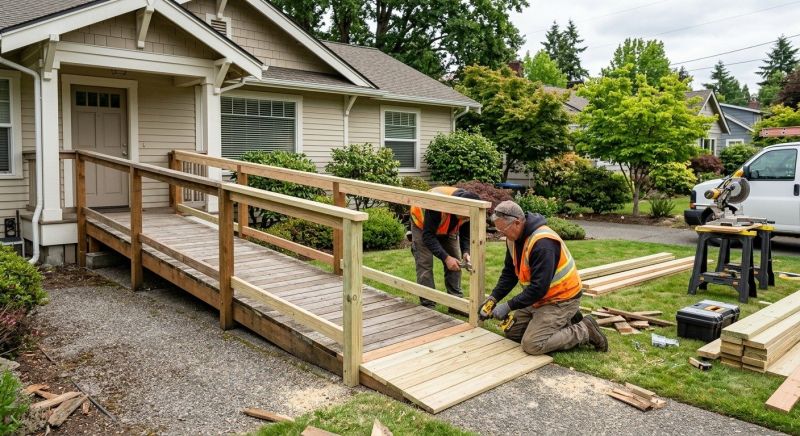
Handicap Ramp Replacement in Wilmington, NC
Handicap ramp replacement services involve removing existing wheelchair ramps and installing new, accessible solutions to improve mobility and safety around a property. These projects typically include replacing worn or damaged ramps, upgrading to more durable or compliant materials, or redesigning the layout to better suit changing needs. Property owners often request this service to ensure continued accessibility, meet updated safety standards, or accommodate new mobility equipment, making it essential to understand the scope of work, the materials involved, and any potential modifications to the existing structure before proceeding.
Homeowners and property owners should consider factors such as the size and slope of the ramp, compatibility with the property’s terrain, and local building codes or standards that might influence the replacement process. It’s also helpful to determine whether the project involves only the ramp itself or includes related features like handrails or landings. Clarifying these details beforehand can ensure the replacement meets accessibility requirements, fits the property’s aesthetic, and provides long-term reliability.
Many property owners in Wilmington, NC look into Handicap Ramp Replacement for repairs, replacements, upgrades, and appearance-related improvements.
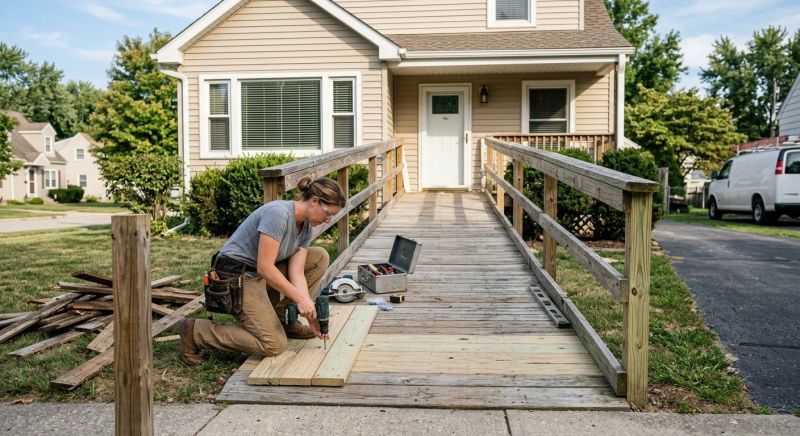
Accessibility Improvements
Replacing worn or damaged handicap ramps to ensure safe and easy access for all visitors.
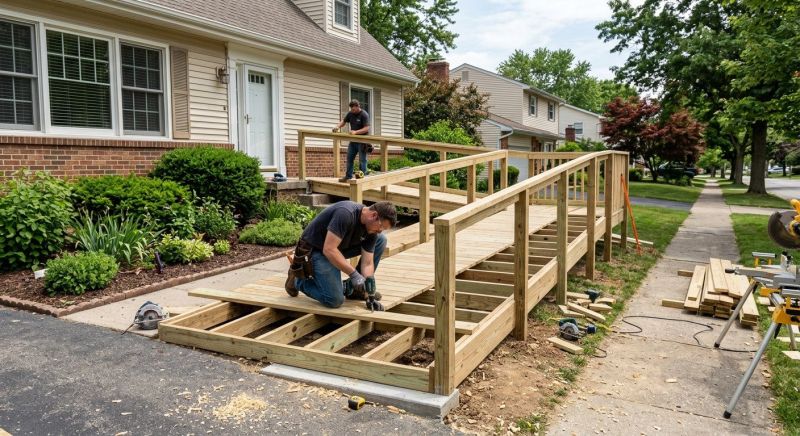
Customized Ramp Solutions
Designing and installing ramps that accommodate specific mobility needs and property layouts in wilmington, nc.
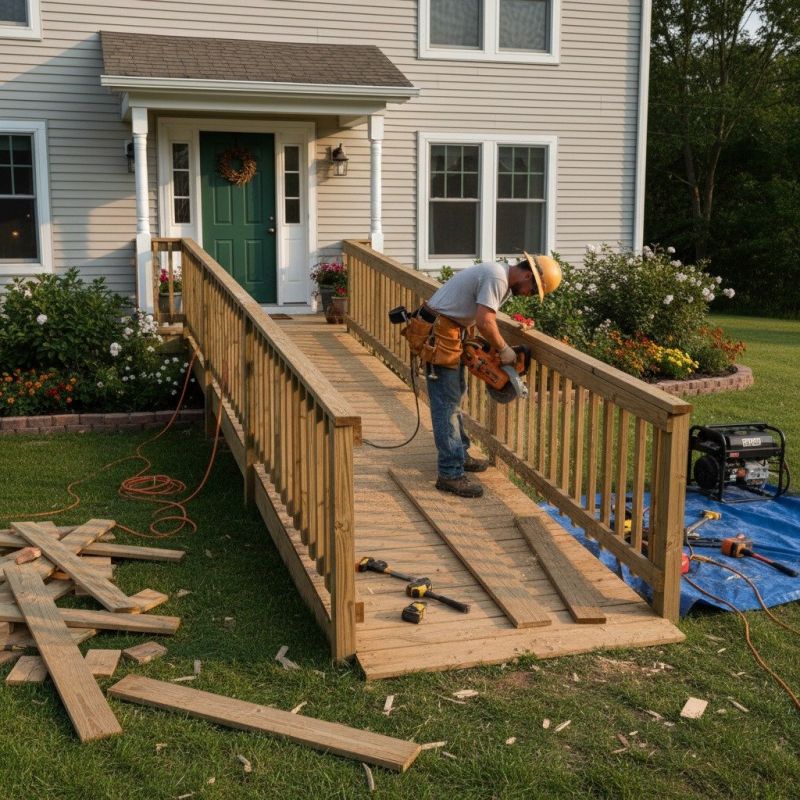
Safety And Compliance
Ensuring handicap ramps meet safety standards and building codes for peace of mind and legal compliance.
Handicap Ramp Replacement in Wilmington, NC
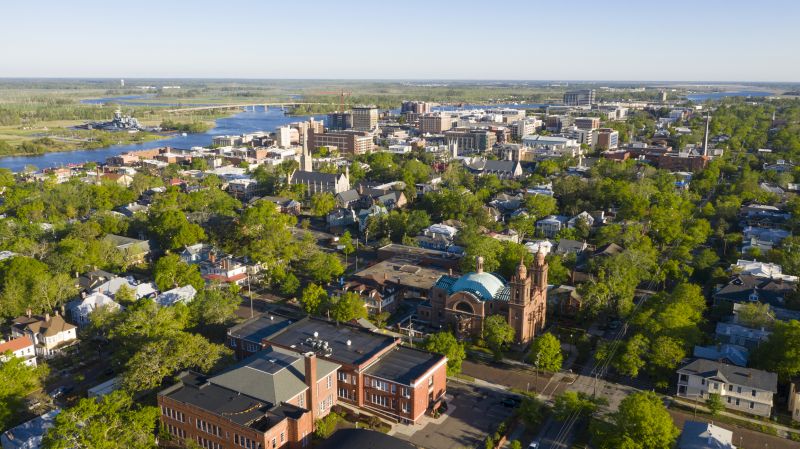
Handicap ramp replacement services involve removing existing wheelchair ramps and installing new, accessible solutions to improve mobility and safety around a property. These projects typically include replacing worn or damaged ramps, upgrading to more durable or compliant materials, or redesigning the layout to better suit changing needs. Property owners often request this service to ensure continued accessibility, meet updated safety standards, or accommodate new mobility equipment, making it essential to understand the scope of work, the materials involved, and any potential modifications to the existing structure before proceeding.
Homeowners and property owners should consider factors such as the size and slope of the ramp, compatibility with the property’s terrain, and local building codes or standards that might influence the replacement process. It’s also helpful to determine whether the project involves only the ramp itself or includes related features like handrails or landings. Clarifying these details beforehand can ensure the replacement meets accessibility requirements, fits the property’s aesthetic, and provides long-term reliability.
Many property owners in Wilmington, NC look into Handicap Ramp Replacement for repairs, replacements, upgrades, and appearance-related improvements.
Common Handicap Ramp Replacement Jobs
Handicap Ramp Replacement - Upgrading existing ramps to improve safety and accessibility for property visitors.
Commercial Ramp Replacement - Replacing ramps at businesses to meet accessibility standards and accommodate customers.
Residential Ramp Replacement - Updating home ramps to ensure safe and easy access for residents and guests.
Portable Ramp Replacement - Installing durable replacements for temporary or portable ramps used in various settings.
Custom Ramp Replacement - Creating tailored ramp solutions to fit specific property layouts and accessibility needs.
Old Ramp Removal - Safely removing outdated or damaged ramps before installing new, compliant structures.
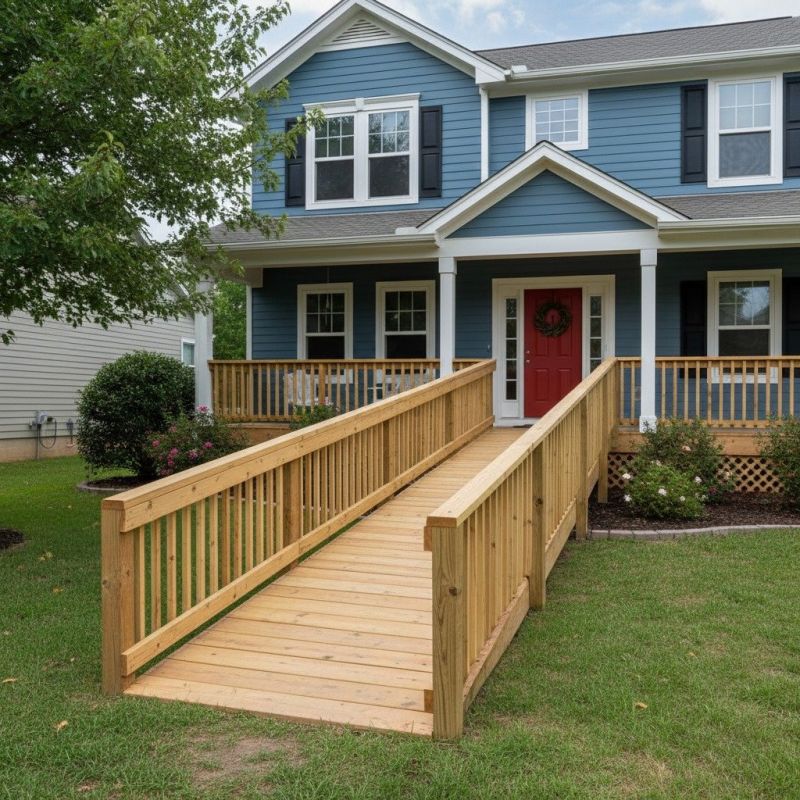
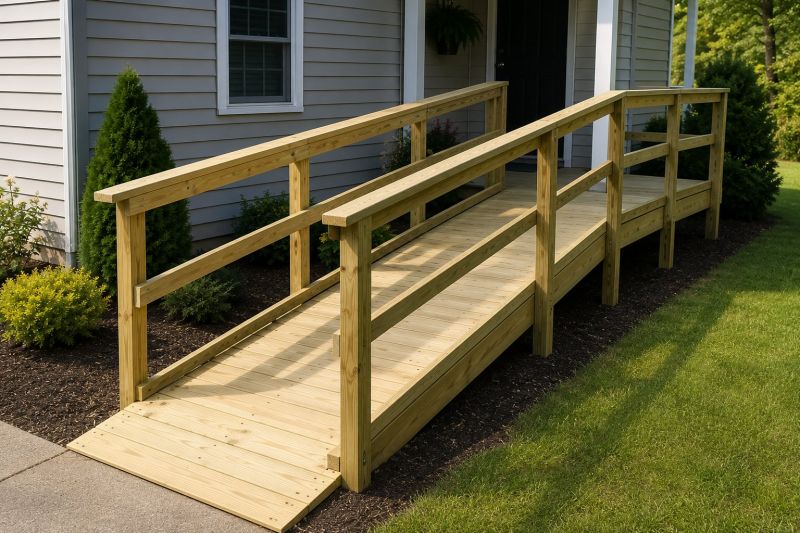
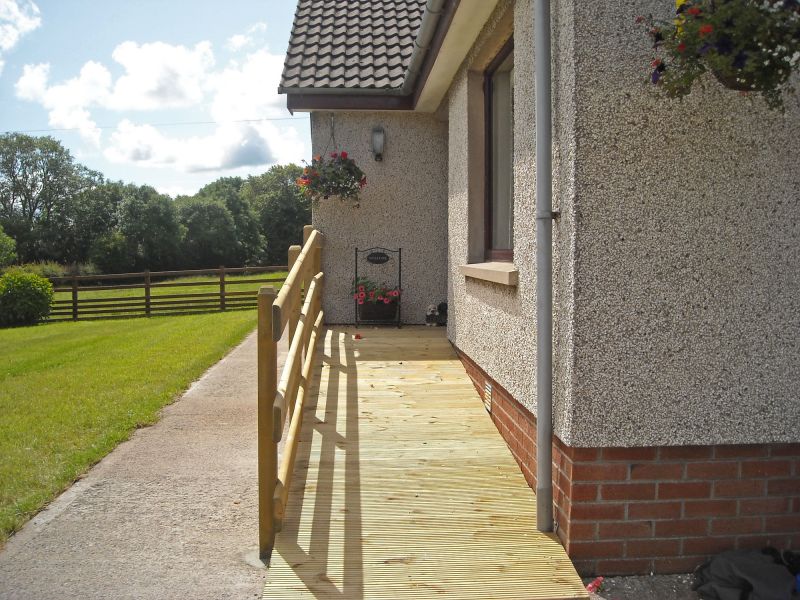
Handicap Ramp Replacement Questions
What types of handicap ramp replacements are available? Replacement options include standard wheelchair ramps, modular systems, and custom-designed solutions to fit specific property needs.
How do I know if a ramp needs to be replaced? Signs include structural damage, instability, or if the existing ramp no longer meets accessibility requirements.
What materials are commonly used for ramp replacements? Common materials include aluminum, wood, and composite decking, chosen for durability and safety.
What should property owners consider when replacing a handicap ramp? Consider the ramp’s slope, width, safety features, and how it integrates with the surrounding landscape or building entrance.
Request Handicap Ramp Replacement in Wilmington, NC
Use the quote form on this page to share the basics of your project and request more information for the type of work you need.